EPE Foam Packaging for Product Protection, Cushioning & Safe Shipping of Delicate Items
Products can shift, rub against one another, or sustain impact damage while moving between production floors, distribution centers, and customer locations. EPE foam packaging offers a lightweight cushioning option for businesses that need to protect finished goods, delicate components, and valuable merchandise during handling, storage, and shipment. BlueRose Packaging provides EPE foam packaging solutions for businesses in City of Industry, California, with options suited to different product shapes, packaging workflows, and protection requirements.
Expanded polyethylene (EPE) foam is a flexible, lightweight material commonly used to cushion products and separate items from hard packaging surfaces. It can be supplied in different formats depending on how a product is packed and the type of protection required. Whether your operation ships electronic components, distributes household products, handles industrial parts, or prepares retail merchandise for delivery, selecting the appropriate foam format can help make packaging more consistent and practical.
For businesses operating around City of Industry’s commercial, manufacturing, and distribution areas, packaging decisions often need to account for product dimensions, order volume, handling procedures, and available storage space. BlueRose Packaging helps businesses explore EPE foam packaging options that fit their products and day-to-day packing needs.
Foam packaging needs vary depending on the item being packed, its surface finish, and the amount of movement it may experience during transit. BlueRose Packaging offers EPE foam packaging options for businesses evaluating cushioning materials for individual products, grouped components, and larger shipments.
The appropriate format depends on the product’s dimensions, weight, surface characteristics, packing method, and shipping conditions. Sharing these details helps identify a suitable starting point for your packaging requirements.
Different industries use foam packaging for different reasons. Some need to prevent scratches on finished surfaces, while others require separation between small components or cushioning around fragile merchandise. BlueRose Packaging supplies EPE foam packaging options for a range of commercial and industrial applications.
| Electronics and Electrical Components Electronic housings, cables, accessories, and selected components may need cushioning and separation during packing and distribution. EPE foam can provide a protective layer between products and their outer cartons. • Separates components during transit • Helps reduce surface contact and abrasion • Supports organized carton packing EPE foam for electronics | electrical component cushioning | electronic packaging foam |
Automotive Parts and Accessories Automotive suppliers ship components in many shapes and sizes, from interior accessories to selected replacement parts. Foam pads and separators can help protect finished surfaces and keep items apart during shipment. • Cushions individual components • Helps prevent part-to-part rubbing • Organizes mixed-part shipments automotive EPE foam packaging | auto parts cushioning | foam separators for automotive components |
Industrial Manufacturing Manufacturers often move components between production facilities, assembly stations, and distribution locations. EPE foam sheets and inserts can be incorporated into packaging plans for finished parts and selected assemblies. • Adds cushioning around packaged components • Separates parts during storage and shipment • Supports repeatable packing procedures industrial EPE foam | manufacturing component packaging | foam protection for industrial parts |
| Consumer Electronics and Appliances Small appliances, electronic accessories, and household devices may have plastic, coated, or polished surfaces that benefit from separation during packing. Foam components can be selected according to product shape and carton layout. • Helps limit scratches from direct contact • Creates separation within cartons • Accommodates different product dimensions appliance foam packaging | consumer electronics cushioning | protective EPE foam inserts |
Furniture and Home Furnishings Furniture parts, decorative accessories, cabinet components, and selected home furnishings can be protected with foam sheets or pads placed around exposed edges and finished surfaces. • Separates adjacent finished pieces • Cushions selected corners and edges • Helps protect surfaces during handling furniture EPE foam sheets | home furnishing protection | foam pads for furniture shipping |
Glass, Ceramics, and Decorative Products Decorative objects, ceramic items, and selected glass products may require cushioning and separation to limit contact with other packaged items. Foam arrangements should be chosen according to the item’s fragility and shape. • Separates individual pieces • Cushions suitable product contact points • Supports compartmentalized packaging layouts ceramic product foam packaging | decorative item cushioning | EPE foam separators for fragile goods |
| Medical and Laboratory Supplies Non-sterile equipment accessories, laboratory instruments, and selected medical supply components may require orderly packing and surface protection. Packaging materials should be chosen according to the item’s handling and cleanliness requirements. • Provides cushioning for selected instruments • Separates accessories and components • Helps organize products within cartons laboratory equipment foam | medical accessory packaging | EPE cushioning for instruments |
Retail and E-Commerce Fulfillment Online retailers and fulfillment teams pack a wide assortment of merchandise for individual customer orders. Roll foam, sheets, and pads can support flexible packing operations across different product categories. • Adapts to varied product dimensions • Helps reduce contact between packed items • Supports organized order fulfillment e-commerce EPE foam packaging | retail product cushioning | foam packaging for online orders |
Warehousing and Third-Party Logistics Warehouses and logistics providers may repack, consolidate, or transfer products between facilities. Foam sheets and separators can be incorporated into packing procedures for goods that require additional cushioning during these movements. • Separates products in consolidated cartons • Supports handling between distribution stages • Helps standardize protective packing methods warehouse EPE foam supplies | logistics cushioning materials | distribution packaging foam |
| Printing, Signage, and Display Products Printed panels, display components, signs, and finished promotional materials can be susceptible to scuffs or pressure marks. Foam sheets can be used between surfaces or around selected edges during packing. • Separates printed faces and panels • Helps limit surface abrasion • Supports protective packing for display parts signage EPE foam protection | display panel packaging | foam sheets for printed products |
Telecommunications and Networking Selected networking accessories, mounting components, cable assemblies, and equipment parts can be packed with foam separators to keep items organized and reduce unwanted contact during transport. • Separates cables and hardware • Cushions compatible equipment accessories • Helps organize multi-component shipments telecom equipment foam packaging | networking component cushioning | EPE foam for communication accessories |
Promotional Merchandise and Product Kits Gift sets, branded merchandise, product samples, and promotional kits often combine multiple items in one package. Foam pads and inserts can help arrange products neatly while providing separation between contents. • Keeps selected kit components separated • Creates organized product presentation • Supports repeatable promotional packing promotional kit foam inserts | merchandise packaging foam | EPE foam for product sets |
| Machinery Spares and Maintenance Supplies Replacement parts, maintenance accessories, and selected machine components may need individual protection when stored or sent to service locations. Foam pieces can help separate parts and reduce surface contact in cartons. • Cushions suitable spare parts • Separates hardware and components • Supports organized maintenance shipments machinery spare parts foam | maintenance component packaging | industrial replacement part cushioning |
Lighting and Electrical Fixtures Light fittings, fixture accessories, decorative electrical components, and selected mounting parts can benefit from protective separation during storage and delivery. Foam formats can be selected to suit the product’s finish and shape. • Protects compatible finished surfaces from rubbing • Separates fittings and accessories • Supports carton-based product organization lighting fixture foam packaging | electrical accessory cushioning | EPE foam for light fittings |
Tools, Hardware, and Equipment Accessories Tool accessories, measuring equipment cases, hardware kits, and selected equipment attachments may be packed with foam sheets or inserts to keep components separated and easier to identify. • Organizes items within a package • Separates metal parts from finished surfaces • Supports consistent kit assembly hardware EPE foam packaging | tool accessory foam inserts | protective foam for equipment parts |
Packaging material should do more than fill empty space. The right foam arrangement can help products remain separated, improve how items fit inside a carton, and make handling more manageable throughout the distribution process.
Cushioning Around Sensitive Surfaces
EPE foam can be placed around suitable products to create a cushioning layer between the item and its outer packaging. This is useful for merchandise with finished plastic, painted, coated, or polished surfaces that could otherwise rub against harder materials.
Separation for Multi-Item Shipments
When several components share a carton, foam sheets, pads, or inserts can create space between individual items. This arrangement may help reduce direct contact and keep parts organized during movement.
Flexible Packaging for Different Shapes
Foam sheets and rolls can be cut or arranged to suit many packaging tasks. Where products have unusual contours or specific placement requirements, appropriately designed inserts may offer a more organized fit than loose cushioning material.
Lightweight Protective Material
EPE foam is valued for its relatively low weight, which can make it practical for a variety of packing operations. The final packaging design should still account for the weight of the product, the type of outer carton, and the conditions expected during transportation.
Repeatable Packing Procedures
Consistent foam sizes and defined placement methods can help packing teams follow the same process for recurring orders. This is particularly useful when the same product or component is shipped regularly from a warehouse or production facility.
For businesses in City of Industry, protective foam may be used at several points in the product-handling process. The right approach depends on whether products are moving between facilities, waiting in storage, or being prepared for final delivery.
Foam is one part of a complete packaging system. Outer cartons, closures, product positioning, and handling instructions also influence shipment protection. Fragile, heavy, sharp-edged, or unusually shaped items may require additional packaging measures beyond foam alone.
Before selecting foam sheets, rolls, pads, or inserts, consider how the product will be packed and what type of protection it needs. Providing clear product details can help narrow the available options and reduce unnecessary trial and error.
Start with Product Dimensions and Shape
Measure the product’s length, width, and height. Include protruding parts, handles, corners, and other features that could affect how the foam fits. For irregularly shaped items, photographs or drawings can help explain the packaging requirements.
Consider Weight and Handling Conditions
A lightweight accessory and a dense industrial component place different demands on packaging. Explain whether the item will be handled individually, packed with other products, moved between facilities, or shipped over longer distances. Foam selection should reflect the complete packing arrangement rather than the cushioning material alone.
Identify Surface and Contact Concerns
Tell us if the product has a polished finish, a coated surface, delicate edges, or parts that should not touch one another. This information helps determine whether flat sheets, individual pads, separators, or a more product-specific insert may be appropriate.
Choose a Format That Fits Your Packing Workflow
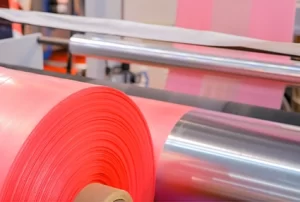
Rolls may suit packing stations handling many product sizes, while sheets can work well for separating flat goods or wrapping compatible items. Inserts may be useful when products need consistent placement inside a carton. The most practical format is one that fits both the item and your team’s packing process.
Review Storage and Environmental Conditions
Consider the available storage space, temperature conditions, and whether the packaged product may encounter moisture or other environmental factors. EPE foam should be assessed for the intended application, and any special cleanliness, chemical compatibility, or environmental requirements should be discussed before ordering.
Businesses with recurring packaging requirements may benefit from planning foam purchases around their normal packing volume and product mix. BlueRose Packaging supplies EPE foam packaging options for commercial and industrial applications in City of Industry, CA, helping customers evaluate suitable formats for ongoing shipping, storage, and fulfillment needs.
When planning a bulk order, consider the number of products packed each day, the quantity of foam used per package, and any variations between product sizes. These details can help establish a practical ordering quantity and identify whether a standard foam format or a product-specific configuration makes more sense.
Wholesale pricing and order suitability depend on the selected material format, dimensions, configuration, quantity, and other project details. Contact BlueRose Packaging to discuss your requirements and request a quote for your business.
Clear specifications make it easier to understand the packaging task and recommend relevant options. Before requesting a quote, gather as much of the following information as possible.
Not every project requires every detail. Sharing the information you already have is a useful starting point for discussing EPE foam packaging options.
Choosing packaging materials involves balancing product protection, packing efficiency, material format, and purchasing requirements. BlueRose Packaging works with businesses to identify foam packaging options relevant to their products and everyday shipping needs.
For businesses sourcing EPE foam packaging in City of Industry, selecting the right format begins with understanding the product and how it will be handled. BlueRose Packaging can help you discuss the available options for your application.
1. What is EPE foam packaging used for?
EPE foam packaging is used to cushion, separate, and protect compatible products during packing, storage, and transportation. Common applications include electronics accessories, automotive parts, furniture components, industrial items, and retail merchandise.
2. What is the difference between EPE foam sheets and foam rolls?
Foam sheets provide flat pieces that can be used as protective layers, separators, or wrapping material. Foam rolls offer a continuous supply of material that can be cut to the required length for different packing tasks. The better choice depends on product dimensions and packing procedures.
3. Can EPE foam be used for delicate or finished products?
Yes, EPE foam can be used to cushion many products with finished surfaces, including selected plastic, coated, and polished items. The foam format and contact arrangement should be assessed for the specific surface to help avoid unwanted marks or abrasion.
4. Is EPE foam suitable for electronic components?
EPE foam may be suitable for cushioning and separating many electronic components and accessories. However, ordinary EPE foam should not automatically be considered static-dissipative or antistatic. Products with electrostatic-discharge sensitivity may require a specifically suitable packaging material.
5. Can I request EPE foam in specific dimensions?
Packaging requirements can vary by product size, carton layout, and the amount of separation needed. Share your preferred dimensions, product measurements, and intended use with BlueRose Packaging to discuss suitable foam formats and configuration options.
6. Is EPE foam available for wholesale or bulk purchasing?
BlueRose Packaging can discuss EPE foam packaging requirements for business and bulk orders. Pricing and order suitability depend on factors such as the requested format, dimensions, quantity, and configuration. Contact the team with your requirements for a quote.
7. Can EPE foam inserts be used inside shipping cartons?
Yes, foam inserts can be used inside cartons to position compatible products and reduce movement when appropriately designed. The insert should fit the product and outer package, with sufficient consideration for the item’s weight, shape, and shipping conditions.
8. How should EPE foam packaging be stored?
Store foam in a clean, dry area away from excessive heat, direct sunlight, and contaminants that could affect the material. Keep rolls and sheets organized to prevent unnecessary deformation and follow any product-specific storage guidance provided with the material.
9. What information is needed to get a quote for EPE foam packaging?
Provide the product description, dimensions, weight, preferred foam format, required quantity, and intended packaging method. Photographs, drawings, and details about any special protection requirements can also help clarify your request.
10. Does EPE foam replace an outer shipping carton?
EPE foam is generally used as a cushioning or separation component within a larger packaging arrangement. Depending on the product and shipment, an appropriate carton, box, crate, or other outer packaging may still be necessary to provide structural protection during handling and transit.
Protecting products starts with choosing packaging materials that match their shape, handling requirements, and shipping journey. From foam sheets used between finished surfaces to rolls for everyday packing stations and inserts for selected components, BlueRose Packaging offers EPE foam packaging options for a range of business applications.
If your business operates in City of Industry, California, and needs foam packaging for manufacturing parts, electronics accessories, retail merchandise, warehouse orders, or other products, contact BlueRose Packaging to discuss your requirements. Share the foam format, dimensions, estimated order quantity, and intended application so the available options can be evaluated for your project.
Request a wholesale quote from BlueRose Packaging for EPE foam packaging in City of Industry, CA, and take the next step toward a packaging setup that fits your products and daily operations.
EPE foam packaging City of Industry | wholesale polyethylene foam sheets | protective foam rolls near me

Enter your email to get started!
*We respect your privacy. Your information will never be shared.