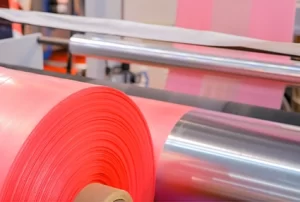
Clear and Anti-Static Pink Foam Rolls
MOQ – 48” Wide Available in 12” , 24” , 48” , 72” — Available Thickness 1/32”, 1/16”, 3/32” , 1/8” , 3/16” , 1/4” , 3/8” , ½”
Protective packaging decisions often come down to how well a product can withstand movement, pressure, and repeated handling before it reaches its destination. BlueRose Packaging provides polyethylene foam rolls in City of Industry, California, for businesses that need cushioning material for packing, separating, wrapping, and safeguarding different types of goods. The flexible foam format is useful for items that require a protective layer without relying on bulky, rigid packaging materials.
From electronics distributors and furniture suppliers to industrial parts facilities, polyethylene foam can be incorporated into everyday packing operations in several ways. Teams can cut the material to fit individual products, place sheets between stacked items, or use foam layers inside cartons and shipping containers. BlueRose Packaging helps businesses explore suitable foam roll options based on product dimensions, handling requirements, and the volume of material needed for their packaging workflow.
Not every product requires the same cushioning arrangement. Some shipments need a thin layer to separate finished surfaces, while others benefit from thicker foam padding around edges or irregular shapes. Selecting the appropriate roll format helps packaging teams use material efficiently and maintain a consistent packing process.
Material thickness, roll width, product weight, and the type of protection required should be considered before selecting a format. Businesses can discuss their packaging requirements with BlueRose Packaging to identify suitable polyethylene foam roll options.
Polyethylene foam serves different purposes across manufacturing, distribution, retail, and commercial packaging. The following industry examples illustrate how businesses can incorporate foam rolls into their product protection and handling processes.
| Electronics & Electrical Components Electronic housings, switches, accessories, and electrical components may be vulnerable to scratches or surface contact during packing. Foam layers provide a practical way to separate products and cushion selected areas. • Separate components inside cartons • Cushion product housings during transit • Reduce surface-to-surface contact during storage electronics packaging foam City of Industry | electrical component cushioning | foam rolls for electronics |
Furniture & Home Furnishings Furniture suppliers can use flexible foam to protect finished surfaces, decorative panels, and individual parts before products are assembled or delivered to customers. • Cover finished panels and edges • Separate furniture components during handling • Add protective layers inside shipping cartons furniture protection foam City of Industry | foam rolls for furniture | panel cushioning material |
Automotive Parts & Accessories Automotive distributors and component suppliers may use foam between trim pieces, molded parts, interior accessories, and other components that require separation during shipment. • Prevent direct contact between packed parts • Cushion selected component surfaces • Organize individual pieces inside cartons automotive packaging foam City of Industry | foam rolls for auto parts | vehicle component cushioning |
| Industrial Manufacturing Production facilities handling finished parts, machined pieces, and fabricated components can incorporate foam into packaging procedures before goods move to another facility or customer. • Separate finished components • Protect exposed surfaces during packing • Support repeatable packaging workflows manufacturing foam rolls City of Industry | industrial component packaging | protective foam material |
Glass, Mirrors & Decorative Panels Suppliers shipping selected glass-related products, mirrors, and decorative panels can use compatible foam layers as part of a broader protective packaging arrangement. Foam alone should not be treated as a substitute for necessary rigid support. • Separate compatible surfaces • Cushion selected edges and contact points • Add a soft layer between packaged panels mirror packaging foam City of Industry | panel separation foam | protective foam for glass products |
Medical Equipment & Healthcare Supplies Distributors of nonsterile equipment housings, accessories, and general healthcare supplies may use foam for cushioning and product separation. Packaging for sterile or regulated products requires appropriate material and packaging validation. • Cushion equipment accessories • Separate packaged items • Protect selected product surfaces medical equipment foam packaging City of Industry | healthcare supply cushioning | polyethylene foam rolls |
| Warehousing & Distribution Warehouses preparing mixed orders can use foam rolls as a flexible packing resource for products with different shapes, sizes, and surface finishes. • Cut cushioning material as needed • Separate products within shared cartons • Keep packing material available for daily orders warehouse packaging foam City of Industry | distribution center cushioning | bulk foam roll supplies |
Appliances & Consumer Products Appliance suppliers and consumer goods distributors can position foam between removable parts, exterior panels, and accessories to help limit scratches caused by contact during transit. • Wrap selected product surfaces • Separate accessories from finished goods • Cushion parts inside shipping boxes appliance packaging foam City of Industry | consumer product foam rolls | protective packing layers |
E-Commerce & Retail Fulfillment Online retailers and fulfillment teams often handle a wide mix of products. Roll-format foam can be cut for individual orders, making it useful for packing items that need surface protection. • Prepare foam pieces for different order sizes • Cushion suitable merchandise inside cartons • Separate products shipped together ecommerce packaging foam City of Industry | retail shipping foam | foam rolls for order fulfillment |
| Lighting & Decorative Fixtures Lighting distributors can use foam layers around suitable fixture housings, decorative components, and accessories to help protect finishes while products are packed and moved. • Separate fixture components • Cushion selected finished surfaces • Protect accessories inside shipping cartons lighting packaging foam City of Industry | decorative fixture cushioning | foam rolls for lighting products |
Plastics & Molded Products Manufacturers and distributors of molded plastic parts may need a separator that limits rubbing between pieces during storage or shipment. Foam layers can help create separation without complicated packing arrangements. • Keep molded surfaces apart • Cushion compatible lightweight components • Create layers between stacked products plastic component foam City of Industry | molded product packaging | foam interleaving rolls |
Printing, Signage & Display Production Display makers and printing facilities can use foam to separate selected rigid panels, finished signs, and compatible display components during packing and delivery. • Separate finished display panels • Cushion edges and corners where appropriate • Protect selected printed surfaces from direct contact signage packaging foam City of Industry | display panel cushioning | foam rolls for printed products |
Polyethylene foam is valued in packaging because it combines a lightweight structure with cushioning and flexibility. Its suitability depends on the product, the handling conditions, and the type of protection required. For many routine packing tasks, foam rolls provide a convenient material that can be cut, positioned, and incorporated into existing packaging methods.
Foam selection should reflect the actual risk to the product. Fragile goods, heavy components, sharp edges, and items exposed to substantial impact may require additional inserts, rigid supports, or other protective materials. BlueRose Packaging can help customers evaluate their intended application when discussing polyethylene foam rolls.
Foam rolls are useful at several points in a product’s handling cycle. The material does not need to serve as the entire packaging system; it can work alongside corrugated cartons, dividers, rigid containers, and other protective supplies.
Preparing Products Before Shipment
Before packing begins, teams can cut foam into manageable sections and place them near the workstation. Individual pieces can then be used to cover finished surfaces, wrap suitable products, or separate components as they enter their cartons.
Separating Items in Storage
Products stored in layers may develop scratches or marks when their surfaces come into direct contact. Where the product and storage conditions permit, foam sheets can create separation between individual items and help keep parts organized during routine movement.
Adding Cushioning Inside Shipping Boxes
Foam can be positioned around selected sides or contact points within a carton. For products that may shift during transportation, the overall package should also provide appropriate restraint and support. The amount and placement of foam should be assessed according to the product’s shape, weight, and shipping conditions.
Supporting Multi-Item Orders
Distributors and fulfillment operations sometimes pack several compatible products in a single shipment. Separating suitable items with foam can help limit direct contact while keeping individual pieces distinct inside the package.
Choosing packaging foam involves more than comparing roll sizes. A useful starting point is to identify what needs protection, how the item will be packed, and what conditions it may encounter before delivery.
Providing these details when requesting a quote makes it easier to discuss available options. If the package contains delicate or high-value items, a trial pack and suitable transit testing may help confirm whether the proposed arrangement offers adequate protection.
Regular packing activity can make foam roll purchasing an important part of inventory planning. Ordering an appropriate bulk quantity can help reduce repeated purchasing tasks and keep protective material available for scheduled shipments. The right order size depends on storage capacity, average usage, the variety of products being packed, and the frequency of replenishment.
BlueRose Packaging supplies packaging solutions for business requirements in City of Industry, CA. Customers can discuss polyethylene foam roll quantities and suitable formats according to their operational needs rather than selecting material based on volume alone.
Wholesale pricing and availability depend on the requested material, dimensions, quantity, and order details. Contact BlueRose Packaging to discuss current options for your packaging operation.
A clear description of your packaging requirements helps narrow down suitable material options. Before contacting BlueRose Packaging, gather the information that best describes your application.
Selecting protective packaging supplies is easier when the conversation starts with the products being packed and the challenges involved in handling them. BlueRose Packaging helps customers explore packaging materials according to their application, purchasing requirements, and day-to-day packing needs.
1. What are polyethylene foam rolls used for?
Polyethylene foam rolls are used for wrapping suitable products, separating surfaces, cushioning selected areas, and lining packaging interiors. They are commonly considered for products that need a lightweight protective layer during handling, storage, or shipment.
2. Can I cut foam rolls to fit different product sizes?
Yes. Roll-format foam can generally be cut into pieces according to the application and the tools used. Businesses can prepare individual sections for wrapping, interleaving, or placing inside cartons. The cutting method should be appropriate for the material and workplace safety requirements.
3. Are polyethylene foam rolls suitable for electronics packaging?
They can be useful for separating and cushioning compatible electronic components and product housings. However, standard polyethylene foam should not automatically be treated as static-dissipative or anti-static material. Electronics with electrostatic discharge sensitivity may require a specifically suitable protective packaging product.
4. Can foam rolls help prevent scratches on finished products?
Foam layers can help reduce direct contact between compatible surfaces during packing and storage. The effectiveness depends on the surface finish, the foam characteristics, and how the package is handled. Testing the material with the actual product is advisable when surface damage is a significant concern.
5. Can polyethylene foam be used inside corrugated shipping boxes?
Yes. Foam can be positioned inside corrugated boxes to separate products or cushion selected contact points. The carton and cushioning arrangement should be chosen together to provide appropriate support and limit movement during transportation.
6. How do I decide which foam thickness to order?
Start with the product’s dimensions, weight, surface sensitivity, and expected handling conditions. Consider whether the material will be used as a separator, wrap, or cushioning layer. If the application involves fragile or heavy products, discuss the requirements and evaluate a sample arrangement before committing to a larger order.
7. Are polyethylene foam rolls available for wholesale purchasing?
BlueRose Packaging accepts inquiries for commercial packaging supply requirements. Contact the team with your preferred dimensions, intended application, and estimated quantity to discuss suitable options, availability, and pricing for your order.
8. Can foam rolls be used for furniture and decorative panels?
Foam rolls may be used to separate compatible furniture parts, cover finished panels, and cushion selected edges during handling. For large, heavy, or fragile panels, additional rigid supports and appropriate outer packaging may be necessary.
9. What information is needed to receive a quote?
Provide the product type, intended application, required roll dimensions, estimated quantity, delivery destination, and anticipated purchasing schedule. Include any special material or handling requirements so the available options can be evaluated more effectively.
10. How should polyethylene foam rolls be stored?
Store the rolls in a clean, dry area away from sharp objects and conditions that could damage or deform the material. Follow the supplier’s handling recommendations and keep the rolls organized so employees can access and cut the material safely when preparing shipments.
Whether your operation packs electronic accessories, furniture components, industrial parts, or finished display panels, the right cushioning material can help establish a more consistent product protection process. BlueRose Packaging provides packaging supply options for businesses that need to evaluate foam formats, roll dimensions, and purchasing quantities for their specific applications.
Contact BlueRose Packaging to request a wholesale quote for polyethylene foam rolls in City of Industry, California. Share the products you need to protect, your preferred roll specifications, and your estimated order volume so the team can discuss available options for your packaging requirements.
polyethylene foam rolls City of Industry | wholesale packaging foam California | protective foam roll supplier | bulk polyethylene foam packaging

Enter your email to get started!
*We respect your privacy. Your information will never be shared.