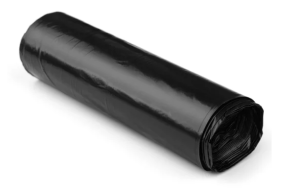
Anti-Static Poly Tubing Rolls for Sensitive Electronics, Electrical Components & Static-Sensitive Products
Packaging electronic components and other static-sensitive products requires more than an ordinary plastic covering. Anti-static poly tubing rolls provide a flexible packaging format that can be cut to the length needed for individual products, helping businesses prepare protective sleeves for components, parts, and supplies of varying sizes. The continuous tubing format also gives packing teams control over bag length and helps reduce the need to maintain numerous pre-sized bags.
BlueRose Packaging supplies packaging solutions for businesses in Corona, California, that handle electronics, electrical assemblies, technical accessories, and other products requiring consideration of electrostatic discharge (ESD). Anti-Static Poly Tubing Rolls can be incorporated into packing operations where a suitable anti-static material is needed for wrapping or enclosing compatible items. Selecting the correct tubing involves reviewing product dimensions, the required protection level, sealing methods, and the conditions in which the packaged items will be handled and transported.
Every packing operation has different requirements for product size, material handling, and packaging speed. BlueRose Packaging helps businesses evaluate suitable poly tubing options based on the products being packed and the intended application.
When sourcing Anti-Static Poly Tubing Rolls in Corona, CA, businesses should confirm the material’s anti-static characteristics and suitability for their specific products. Anti-static packaging does not automatically provide the same protection as shielding packaging designed for sensitive electronic devices.
Anti-static tubing can support packaging workflows across industries that handle electronic components, electrical parts, technical supplies, and compatible products that benefit from flexible enclosure. The following applications illustrate how businesses can assess tubing for their operational needs.
| Electronics Manufacturing Electronics producers can use appropriately specified anti-static tubing to package compatible circuit assemblies, connectors, and components before further processing or distribution. • Cut sleeves to suit individual component lengths • Organize parts between manufacturing stages • Integrate tubing into component packing stations anti-static tubing for electronics Corona | electronic component poly tubing | wholesale ESD packaging supplies |
Computer Hardware and Accessories Suppliers handling compatible computer accessories can use cut-to-size tubing as one part of a packaging arrangement for selected parts and peripherals. • Package compatible cables and accessories • Prepare sleeves for different product dimensions • Support organized storage and order preparation computer accessory anti-static tubing Corona | hardware poly tubing rolls | computer parts packaging |
Electrical Equipment and Controls Electrical suppliers can assess anti-static tubing for suitable control components, connectors, small assemblies, and other parts requiring material-specific handling precautions. • Separate compatible electrical components • Reduce direct handling during packing • Prepare sleeves for varied component sizes electrical component tubing Corona | anti-static electrical packaging | control parts poly rolls |
| Semiconductor Supply Chains Businesses handling semiconductor-related components should evaluate tubing based on the component’s ESD sensitivity and the protection requirements established for each handling stage. • Review packaging requirements for sensitive devices • Match material properties to handling protocols • Combine with suitable ESD protective packaging semiconductor packaging tubing Corona | anti-static semiconductor supplies | ESD component packaging rolls |
Telecommunications Equipment Telecommunications suppliers can consider suitable poly tubing for compatible connectors, small electronic modules, cable accessories, and replacement components. • Package connectors by product type • Prepare sleeves for differently sized accessories • Support organized spare-parts inventory telecom component tubing Corona | anti-static telecom packaging | communication parts poly rolls |
Industrial Automation and Robotics Automation equipment suppliers can use appropriately selected tubing for compatible electronic controls, sensors, interface components, and smaller replacement parts. • Separate selected components during staging • Standardize sleeve lengths for recurring parts • Organize items before equipment assembly automation component tubing Corona | robotics parts anti-static packaging | industrial electronics poly rolls |
| Aerospace Electronics Suppliers of aerospace-related electronic components can evaluate anti-static tubing as part of a packaging process that follows the applicable product-handling and ESD procedures. • Enclose compatible electronic subassemblies • Identify parts before controlled storage • Coordinate packaging with approved handling practices aerospace electronics tubing Corona | anti-static component sleeves | aerospace parts packaging supplies |
Medical Device Electronics Medical equipment suppliers can assess suitable tubing for compatible electronic modules, cables, and non-sterile accessories where material and handling requirements permit its use. • Organize compatible electronic accessories • Prepare packaging for different component sizes • Keep product identification visible through labeling medical device component tubing Corona | anti-static medical electronics packaging | healthcare parts poly rolls |
Laboratory Instruments and Testing Devices Laboratory equipment suppliers can consider anti-static tubing for compatible electronic accessories, test leads, connectors, and small instrument components. • Group related testing accessories • Cut sleeves to accommodate component lengths • Support organized inventory preparation laboratory electronics tubing Corona | testing equipment poly packaging | anti-static instrument supplies |
| Automotive Electronics Automotive component suppliers can use appropriately specified tubing for compatible sensors, electronic modules, wiring accessories, and selected replacement parts. • Separate compatible components by part number • Prepare sleeves for production or service inventory • Support organized movement between workstations automotive electronics tubing Corona | anti-static automotive parts packaging | sensor component poly rolls |
Contract Electronics Assembly Contract assembly facilities can incorporate continuous tubing into workflows that require packaging for different components across multiple customer projects. • Adjust sleeve length for changing component sizes • Organize parts between assembly stages • Support repeatable packing procedures contract electronics tubing Corona | assembly line anti-static packaging | electronic parts tubing rolls |
Electronic Repair and Refurbishment Repair centers can evaluate anti-static tubing for compatible replacement boards, modules, connectors, and electronic parts awaiting testing or installation. • Separate inspected and replacement components • Prepare packaging for individual service parts • Help organize repair inventory by component type electronic repair tubing Corona | anti-static replacement parts packaging | refurbishment poly tubing |
Flexible anti-static tubing can make packaging more adaptable when product sizes vary or when individual sleeves are needed for a range of components. Instead of selecting a different pre-made bag for every item, a packing team can cut the tubing to an appropriate length and secure the ends using a compatible closure method.
It is important to distinguish anti-static properties from electrostatic shielding. Some electronic devices require shielding packaging to protect against external electrostatic discharge, while others may need dissipative materials or additional controlled-handling measures. The appropriate choice depends on the device, its sensitivity, and the manufacturer’s packaging requirements.
Businesses can incorporate anti-static tubing into their packaging process for component storage, production transfers, service inventory, and outbound shipments. Correct preparation helps ensure that the tubing fits the product and works with the rest of the packaging arrangement.
Preparing Components for Packing
Confirm the component’s dimensions and handling instructions before cutting a sleeve. Allow enough length for loading and closing the package without stretching the material excessively. Clean, organized packing stations can help reduce the risk of mixing different components or introducing unwanted debris into the packaging.
Protecting Products During Transportation
Anti-static tubing primarily serves as a flexible enclosure, and its physical cushioning capabilities may be limited. For fragile electronic assemblies or products exposed to movement during transit, consider appropriate cushioning, compartmentalized boxes, or other protective packaging. Ensure that the selected tubing provides the required ESD characteristics and is compatible with the secondary packaging system.
Managing Inventory and Work-in-Process Parts
Production and repair teams can prepare sleeves for compatible components before transferring them between departments. Labels or inventory identifiers can help distinguish part numbers, job references, and quantities. For sensitive devices, follow the organization’s procedures for handling, grounding, and packaging throughout the transfer process.
Storing Unused Tubing Rolls
Keep unused rolls in a clean, dry area and protect them from dust, excessive heat, crushing, and contamination. Follow the supplier’s storage recommendations to maintain material quality. If the tubing is used for ESD-sensitive components, make sure its protective properties remain appropriate for the intended application before putting it into service.
The most suitable tubing depends on the product’s size, sensitivity, handling procedure, and packaging environment. Businesses should assess these factors before selecting a roll for regular production or shipping use.
If your packaging specifications are not finalized, share the type of electronic or technical component you handle, its approximate dimensions, and your ESD requirements with BlueRose Packaging. These details provide a starting point for discussing appropriate tubing options.
For electronics suppliers, assembly facilities, repair centers, and industrial distributors, packaging materials are part of the everyday production and fulfillment process. Planning wholesale purchases around actual usage can help keep the required tubing available while avoiding unnecessary stock accumulation.
BlueRose Packaging supplies packaging solutions for businesses in Corona, CA, and can discuss anti-static poly tubing requirements based on the application, preferred dimensions, and estimated order quantities.
Wholesale pricing, order quantities, and availability depend on the requested specifications and current supply arrangements. Contact BlueRose Packaging to discuss your requirements and request a quote for your business.
Clear product and usage information helps the BlueRose Packaging team understand your application and assess suitable options. Include the following details when requesting pricing for Anti-Static Poly Tubing Rolls.
Providing these details helps establish whether a particular tubing configuration is suitable for your packaging process and gives the team a clearer basis for preparing a quote.
1. What are Anti-Static Poly Tubing Rolls used for?
Anti-static poly tubing rolls are used to create flexible sleeves for compatible electronic components, electrical accessories, and other products that require consideration of static control. The tubing is cut to the desired length and closed using an appropriate method.
2. How is anti-static tubing different from ordinary poly tubing?
Anti-static tubing is designed with material properties intended to help control the generation or accumulation of static charge. Ordinary poly tubing may not offer the same characteristics. The material specification should be checked against the requirements of the product being packaged.
3. Does anti-static tubing provide complete ESD protection?
No. Anti-static tubing alone does not necessarily provide complete protection against electrostatic discharge. Some sensitive devices require dissipative or electrostatic-shielding packaging, along with appropriate handling procedures. Confirm the required protection level before selecting a material.
4. Can I cut the tubing to different lengths?
Yes. Continuous tubing rolls can generally be cut into sleeves of different lengths, subject to the product and material specifications. This makes them useful for packaging compatible items with varying lengths.
5. How do I choose the correct tubing width?
Measure the item at its widest point and consider any connectors, protrusions, or accessories that will be enclosed. The tubing should provide sufficient room for loading and closure without excessive stretching. Your packaging supplier can help assess the dimensions you need.
6. Can anti-static poly tubing be heat sealed?
Heat sealing may be suitable for certain tubing materials, but compatibility depends on the specific product and sealing equipment. Confirm the recommended sealing conditions and material suitability before using heat-sealing equipment.
7. Is anti-static tubing enough to protect fragile electronic parts during shipping?
Not necessarily. Tubing provides an enclosure but may not offer sufficient cushioning against impact or vibration. Fragile components may need additional protective inserts, cushioning, or rigid outer packaging based on their shipping requirements.
8. How should anti-static tubing rolls be stored?
Store rolls in a clean, dry environment and protect them from dust, crushing, excessive heat, and contamination. Follow the material supplier’s storage guidance and verify suitability for the intended ESD application when necessary.
9. Can businesses in Corona order anti-static tubing in wholesale quantities?
BlueRose Packaging can discuss wholesale packaging requirements for businesses in Corona, CA. Provide the required tubing dimensions, material properties, estimated quantities, and intended use to request pricing and confirm availability.
10. What is the difference between anti-static and shielding tubing?
Anti-static materials are intended to help control static charge, while electrostatic-shielding materials are designed to reduce the transmission of electrostatic discharge to protected contents. They serve different purposes, so the appropriate choice depends on the sensitivity of the electronic device and its packaging requirements.
From electronic component assembly to technical parts distribution, selecting suitable packaging materials helps businesses organize products and follow established static-control procedures. Anti-Static Poly Tubing Rolls offer a flexible format for preparing sleeves in different lengths, making them worth considering for operations that handle compatible components in varying sizes.
BlueRose Packaging supplies packaging solutions for businesses in Corona, California, with requirements spanning electronics, electrical components, industrial supplies, and related applications. Share your tubing dimensions, material requirements, and expected order quantities to discuss packaging options that fit your workflow.
Contact BlueRose Packaging today to request a wholesale quote for Anti-Static Poly Tubing Rolls in Corona, CA, and discuss the specifications needed for your packaging operation.
anti-static poly tubing rolls Corona | wholesale anti-static tubing near me | ESD packaging tubing California | electronic component poly tubing

Enter your email to get started!
*We respect your privacy. Your information will never be shared.