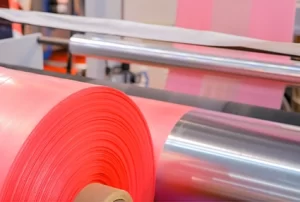
Clear and Anti-Static Pink Foam Rolls
MOQ – 48” Wide Available in 12” , 24” , 48” , 72” — Available Thickness 1/32”, 1/16”, 3/32” , 1/8” , 3/16” , 1/4” , 3/8” , ½”
Protective packaging often needs to do more than fill empty space inside a shipping carton. Products with delicate surfaces, irregular shapes, or lightweight components may need a cushioning layer that separates them from surrounding materials during packing, storage, and delivery. BlueRose Packaging provides polyethylene foam rolls for businesses in Corona, California, looking for practical cushioning materials for everyday packaging and specialized product protection.
Polyethylene foam is a lightweight packaging material that can be cut, wrapped, layered, or shaped to suit different packing requirements. It can help reduce surface scratches, absorb minor impacts, and create a buffer between products and outer packaging. From individual components prepared for shipment to larger items requiring protective coverage, polyethylene foam rolls offer flexibility for a variety of packaging workflows.
Businesses looking for polyethylene foam rolls near me in Corona can explore suitable roll formats based on the dimensions of their products, the level of cushioning needed, and how the material will be used. BlueRose Packaging supports wholesale packaging requirements with options that can be considered for manufacturing, distribution, retail, electronics, and other product-handling operations.
Packaging teams handle products with different shapes, finishes, and handling requirements. Selecting the appropriate foam roll format can make wrapping easier and help maintain consistent protection throughout the packing process.
Availability and suitability depend on the required dimensions, foam characteristics, and intended application. Customers can discuss their packaging needs with BlueRose Packaging before selecting a format.
Different industries use protective foam to address specific packing challenges, from preventing cosmetic damage to separating components during transportation. The following applications illustrate how polyethylene foam rolls may fit into business packaging operations in Corona and surrounding areas.
| Electronics and Electrical Components Electronic housings, accessories, and electrical components may have finished surfaces that need separation during packing. Foam layers can provide a buffer between products and their surrounding packaging. • Wrap housings before placing them in cartons • Separate accessories and finished components • Reduce surface contact during handling electronics packaging foam Corona | electrical component cushioning | protective foam rolls |
Automotive Parts and Accessories Automotive suppliers handle finished trim, replacement parts, interior fittings, and other components that can be marked by friction. Foam rolls can help keep individual pieces apart during shipment. • Protect decorative and finished surfaces • Separate components within shipping boxes • Wrap replacement parts for distribution automotive packaging foam Corona | auto parts protective rolls | component wrapping foam |
Furniture and Home Furnishings Furniture manufacturers, retailers, and distributors may need protective layers for panels, table components, cabinet pieces, and decorative fittings before products are boxed. • Cushion edges and flat surfaces • Separate furniture panels during storage • Help limit scratches from direct contact furniture protection foam Corona | polyethylene foam for furniture | panel packaging rolls |
| Industrial Manufacturing Production facilities ship machined parts, molded components, and finished assemblies through multiple handling stages. Foam rolls can be used to create separation between these items and their packaging. • Wrap components after production • Place cushioning between finished parts • Prepare goods for internal transfers and dispatch manufacturing packaging foam Corona | industrial cushioning rolls | protective foam for components |
Medical Equipment and Laboratory Supplies Certain equipment housings, accessories, and non-sterile laboratory items require cushioning and surface separation during transport. The packaging material should be selected according to the item’s handling and cleanliness requirements. • Protect external equipment surfaces • Separate accessories inside cartons • Add cushioning around suitable non-sterile items laboratory equipment foam Corona | medical device packaging cushioning | protective polyethylene rolls |
Glass, Ceramics and Decorative Products Decorative objects, glass accessories, and ceramic products may need cushioning between individual pieces. Foam rolls can create separation, although fragile products may require additional protective packaging. • Separate items packed together • Wrap suitable products before boxing • Reduce direct contact between finished surfaces glass packaging foam Corona | ceramic product cushioning | foam wrapping material |
| Warehousing and Distribution Distribution centers prepare products for storage, transfers, and outbound shipments. Foam rolls provide a flexible material for packing stations that handle a changing mix of products. • Cut wrapping material as packing needs arise • Separate products within multi-item cartons • Maintain cushioning supplies at packing stations warehouse packaging foam Corona | distribution center foam rolls | bulk cushioning materials |
E-Commerce and Online Retail Online retailers ship products in different shapes and sizes, making adaptable protective materials useful for order preparation. Foam can be paired with a suitable outer carton and other protective packaging. • Wrap individual products before dispatch • Separate items in combined orders • Add a cushioning layer around suitable merchandise e-commerce packaging foam Corona | online order protective rolls | retail shipping cushioning |
Appliance and Equipment Suppliers Appliance accessories, replacement components, and equipment parts may require separation from metal surfaces, carton walls, or other packed items. • Cushion suitable parts during packing • Protect painted or finished components • Separate accessories from larger equipment appliance packaging foam Corona | equipment component protection | foam rolls for shipping |
| Plastics and Molded Product Manufacturing Molded plastic parts can have visible finishes that benefit from separation during handling. Foam rolls can serve as an intermediate protective layer between products and packaging materials. • Separate molded pieces before boxing • Cover finished surfaces during storage • Wrap products with varied contours plastic parts packaging foam Corona | molded component protection | polyethylene cushioning material |
Metal Fabrication and Precision Parts Fabricated components, polished metal pieces, and finished hardware may rub against each other when packed together. Appropriate foam separation can help minimize contact-related surface marks. • Place foam between finished metal parts • Wrap selected components before shipment • Protect suitable surfaces from packaging abrasion metal parts packaging foam Corona | precision component cushioning | protective foam for fabricated parts |
Printing, Signage and Display Products Printed panels, display components, and sign accessories may need a protective layer to help preserve their appearance during storage and delivery. • Separate printed panels during packing • Cushion display components inside cartons • Wrap suitable decorative and finished pieces signage packaging foam Corona | display panel protective rolls | foam for printed products |
| Lighting and Interior Fixtures Lighting housings, decorative fixtures, and installation accessories can contain delicate finishes or multiple pieces that should be kept apart during shipment. • Wrap suitable fixture components • Separate decorative parts and accessories • Reduce friction between packaged items lighting fixture packaging foam Corona | interior component cushioning | protective foam wrapping |
Consumer Goods and Household Products Household accessories, organizers, small appliances, and other consumer products may require flexible cushioning for retail packaging and direct-to-customer shipments. • Wrap products with varied dimensions • Separate items in multiproduct cartons • Add a protective layer before final packing consumer product packaging foam Corona | household goods cushioning | polyethylene foam packaging rolls |
Industrial Supply and Replacement Parts Industrial distributors frequently pack replacement parts, service components, and maintenance accessories for shipment to customers and service facilities. • Protect suitable parts during dispatch • Group and separate components inside cartons • Support recurring packing and replenishment needs industrial supply packaging foam Corona | replacement part cushioning | wholesale foam rolls |
The value of protective foam depends on the product being packed and the way the material is used. When selected appropriately, polyethylene foam rolls can help businesses create a more consistent packing process without relying on a separate pre-shaped insert for every item.
Help Prevent Surface Marks
Products with polished, painted, coated, or decorative finishes can be affected when they rub against other items or rough packaging surfaces. A suitable foam layer creates separation that can help reduce scratches and scuffing during routine handling.
Create Flexible Cushioning
Roll material can be cut to the length required for an individual item or packing task. This flexibility is useful when a packing line handles products with different dimensions or when protective material must be placed between layers.
Support Organized Packing
Foam can be incorporated into a repeatable packing method, such as wrapping a component before placing it in a carton or separating several finished pieces in the same shipment. Consistent procedures help packing teams handle recurring orders more efficiently.
Fit Different Product Shapes
Unlike a single preformed insert, roll material can be cut and positioned around many product shapes. The appropriate wrapping method will depend on the product’s contours, weight, fragility, and required level of protection.
Work Alongside Other Packaging Materials
Polyethylene foam rolls can be used with corrugated boxes, dividers, protective bags, and suitable outer packaging. The complete packaging arrangement should be selected according to the product and expected shipping conditions rather than relying on foam alone.
Protective foam rolls are useful beyond the final shipping stage. Depending on the product and facility, the material can become part of production handling, inventory storage, order preparation, or returns processing.
For delicate, heavy, or high-value products, foam should be assessed as one part of the overall packaging system. Drop testing, vibration exposure, moisture sensitivity, and product-specific handling requirements may call for additional protective materials or a different packaging configuration.
The right roll is not necessarily the thickest or widest option. Start with the product’s actual packaging requirements and compare available foam formats against the way goods will be wrapped, stored, and shipped.
1. Identify the Product and Its Vulnerable Areas
Determine whether the main concern is scratching, abrasion, minor impact, or separation from nearby products. A finished panel may need surface coverage, while a component with protruding sections may require additional protection around its edges and corners.
Measure the surfaces or products that need to be covered. Roll width affects how easily the material can cover a product, while roll length influences how often packaging staff need to replace a roll. Consider the amount of cutting and overlap required for each item.
3. Discuss Foam Thickness and Density
Foam characteristics influence how the material behaves under pressure and how well it suits a particular application. Share the product’s weight, shape, fragility, and packing method when asking about available options. Do not assume that a particular thickness will provide adequate protection for every shipment.
4. Consider the Packing Method
Decide whether staff will wrap each product individually, cut sheets for separation, or place foam between stacked items. The preferred format should suit the workflow and the type of outer packaging used.
5. Review Storage and Environmental Conditions
Explain whether the foam will be used indoors, stored for extended periods, or exposed to unusual temperature or moisture conditions. Confirm that the selected material is suitable for the intended environment and any product-specific requirements.
6. Evaluate the Complete Packaging Setup
Consider the carton, dividers, edge protectors, closures, and other materials that will be used with the foam. Products exposed to significant vibration, compression, or repeated handling may require a tested packaging design rather than a foam wrap alone.
Proper storage and material handling help packaging teams keep foam rolls ready for use and avoid unnecessary waste. Establish simple procedures that suit the volume of material used at your facility.
Businesses with recurring packaging requirements may prefer to source polyethylene foam rolls in bulk rather than replenish small quantities for each packing cycle. Wholesale purchasing can help purchasing teams plan material availability, coordinate deliveries, and maintain more consistent packing procedures.
BlueRose Packaging works with businesses evaluating protective packaging materials for production, warehousing, distribution, and commercial shipping. When requesting a wholesale quote for polyethylene foam rolls in Corona, provide the approximate quantity, preferred roll dimensions, application, and any specific material requirements. These details help establish which available options are appropriate for the job.
Bulk requirements vary between businesses. A manufacturer wrapping components every day may need a different supply arrangement from a retailer packing occasional large orders. Sharing expected usage and replenishment needs helps make the discussion more practical.
Before contacting BlueRose Packaging, gather a few details about the products and packing process. Clear information makes it easier to review suitable polyethylene foam roll options for your operation.
If you do not know the exact foam specifications, start with the product dimensions, photographs, and a description of how the item will be packed. The packaging requirements can then be reviewed before confirming a suitable option.
Packaging materials need to work with the products, people, and processes that use them. BlueRose Packaging helps businesses evaluate protective packaging options based on practical requirements rather than choosing material by name alone.
Every packaging application has its own requirements. Sharing clear product information helps identify materials that are appropriate for the intended use without assuming that one foam format will work for every item.
1. What are polyethylene foam rolls used for?
Polyethylene foam rolls are used to wrap products, separate items inside cartons, cushion suitable components, and help protect surfaces from scratches or abrasion. Their suitability depends on the product and shipping conditions.
2. Can polyethylene foam rolls protect finished metal and plastic parts?
They can be considered for many finished metal and plastic components where surface separation is important. The foam should be checked for compatibility with the product’s finish, and additional protection may be needed for sharp edges or heavy parts.
3. Are polyethylene foam rolls suitable for electronics packaging?
They may be suitable for protecting electronic housings, accessories, and other components from surface contact. However, standard polyethylene foam should not automatically be treated as static-dissipative or antistatic material. Electronics with electrostatic-discharge sensitivity may require specifically rated packaging.
4. Can the foam be cut to different sizes?
Roll material can generally be cut into suitable lengths or sections for different packaging tasks. The cutting method and final dimensions depend on the material format, the product being wrapped, and the packing procedure.
5. How do I determine the correct foam thickness?
Consider the product’s weight, fragility, shape, shipping conditions, and the amount of cushioning required. Share these details with the packaging supplier, and test the proposed setup when products are vulnerable to impact or vibration.
6. Can polyethylene foam rolls be used with corrugated boxes?
Yes. Foam rolls can be used as a wrapping or separation layer inside suitable corrugated boxes. Depending on the shipment, additional dividers, inserts, edge protection, or other cushioning materials may be needed.
7. Are bulk polyethylene foam rolls available for businesses in Corona?
Businesses can contact BlueRose Packaging to discuss wholesale quantities and available roll options for operations in Corona, California. Share your estimated usage and preferred dimensions to help review your requirements.
8. How should polyethylene foam rolls be stored?
Store the rolls in a clean, suitable area away from sharp objects and damaging environmental conditions. Follow supplier guidance on temperature, compression, and handling to maintain the material’s suitability for use.
9. Can polyethylene foam rolls be used for fragile glass or ceramic products?
They may provide separation and an additional cushioning layer for certain glass or ceramic products. Because these items can break under impact, the complete package should include protection appropriate to the product’s fragility, weight, and shipping conditions.
10. What information is needed to request a wholesale quote?
Provide your product type, dimensions, approximate weight, preferred roll specifications, estimated quantity, intended application, and delivery location. If specifications are not yet known, a product description and photographs can help explain the packaging challenge.
From production components and furniture panels to retail merchandise and warehouse shipments, the right protective layer can help businesses manage everyday packaging challenges. BlueRose Packaging provides packaging supply support for businesses evaluating polyethylene foam rolls for their products and workflows.
If your operation in Corona, California, needs foam rolls for ongoing production, bulk packing, inventory protection, or customer shipments, contact BlueRose Packaging to discuss the required format and quantity. Share the dimensions of your products, the type of protection needed, and your anticipated order volume to request a wholesale quote.
Contact BlueRose Packaging today to discuss polyethylene foam rolls for your business and identify suitable options for your packaging requirements in Corona and surrounding areas.
polyethylene foam rolls Corona CA | wholesale polyethylene foam near me | protective packaging foam supplier | bulk foam rolls for shipping

Enter your email to get started!
*We respect your privacy. Your information will never be shared.